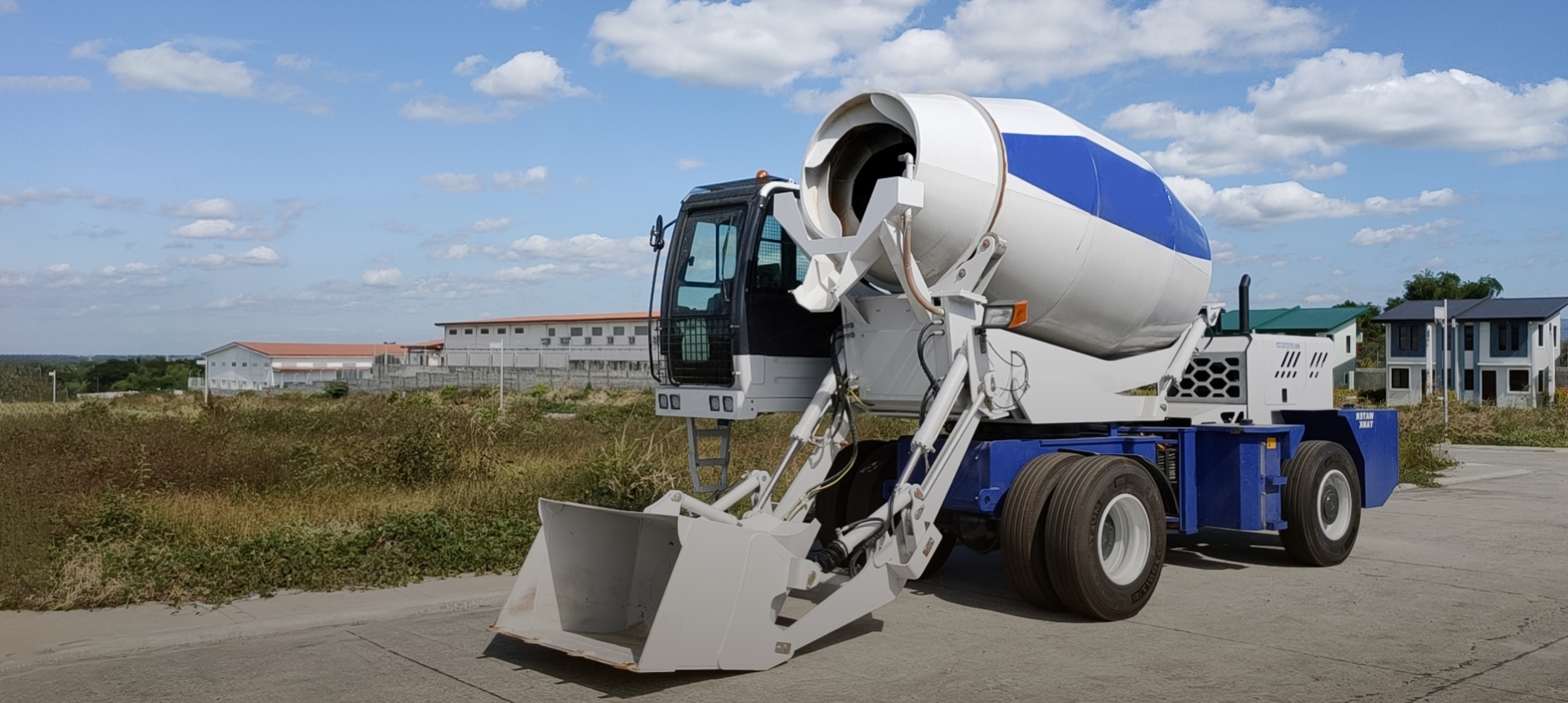
The self-loading concrete mixer has rapidly become one of the most sought-after pieces of construction equipment in Ghana. Its ability to combine material loading, batching, mixing, and transport into a single, mobile unit offers contractors a level of operational autonomy and efficiency previously unattainable. However, this value comes at a significant capital cost, and navigating the procurement process in the Ghanaian market requires strategic financial acumen. Simply accepting the first quoted self loading concrete mixer price can erode your competitive advantage before the machine even reaches your site. This guide delineates five specific, actionable methodologies to optimize your expenditure, ensuring you acquire a high-quality, reliable asset while preserving essential working capital for project mobilization and growth.
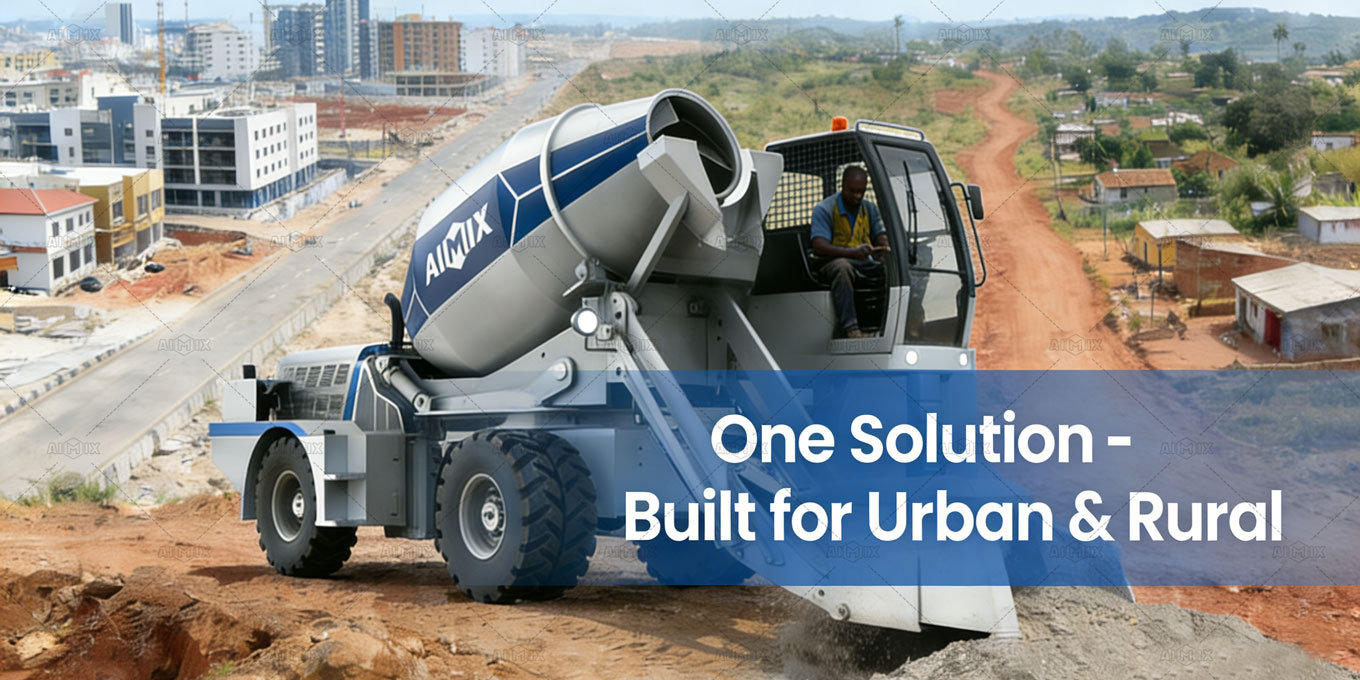
Method 1: Strategic Timing and Market Intelligence
The price of capital equipment is not static; it fluctuates based on market cycles, currency movements, and supplier inventory levels. Harnessing this volatility through strategic timing can yield substantial savings.
Leveraging Promotional Cycles and Stock Clearance Events
Reputable suppliers and manufacturers often schedule promotional campaigns around industry exhibitions, end-of-financial-year periods, or upon the arrival of new container shipments. These events frequently involve discounted concrete mixer price in Ghana, waived freight components, or bundled accessory packages. Establish direct communication with authorized dealers in Ghana and request to be added to their commercial notification lists. Timing your purchase to coincide with these inventory turnover events can reduce the purchase price by 5-10% without any compromise on machine specification.
Monitoring Currency Trends and Exchange Rate Windows
Given that most self-loading mixers are imported, their landed cost in Ghana is highly sensitive to the exchange rate between the Ghanaian Cedi and major currencies like the US Dollar or Chinese Renminbi. Engage with your dealer to understand the currency basis of their pricing. If you have access to foreign currency, timing your payment when the Cedi is relatively stronger—or negotiating a price lock during such a window—can produce significant savings. Some dealers may offer a discount for payment in the supplier’s base currency, reflecting their avoided foreign exchange conversion costs and risk.
Method 2: Specification Optimization and Feature Scrutiny
One of the most common financial errors is over-specification—purchasing a machine with capabilities far exceeding actual operational requirements. A disciplined approach to feature selection eliminates this unnecessary expenditure.
Conducting a Rigorous Operational Requirements Analysis
Before engaging with any supplier, conduct an internal audit of your typical project profile. Document the average pour volume per day, the maximum distance the machine must travel between material stockpile and placement point, and the predominant terrain conditions. This analysis determines the optimal drum capacity (e.g., 2.0m³ versus 3.5m³), required engine horsepower, and drive configuration. A machine specified with 4-wheel drive for occasional soft-site use may cost significantly less than a permanent 6-wheel drive configuration designed for extreme off-road conditions. Aligning specifications precisely with verified need prevents capital waste on redundant capability.
Differentiating Essential Features from Discretionary Add-Ons
Modern self-loading mixers offer a range of optional features: advanced weighing systems, remote control operation, enhanced cabin comfort, and premium audio systems. Evaluate each feature against its contribution to productivity and profitability. A certified weigh system that ensures mix design accuracy may justify its cost through material savings. An upgraded operator cabin may enhance retention of skilled drivers. However, purely cosmetic or convenience-oriented add-ons should be deferred or eliminated. Request a quotation that itemizes these features separately, allowing you to make informed inclusion or exclusion decisions.
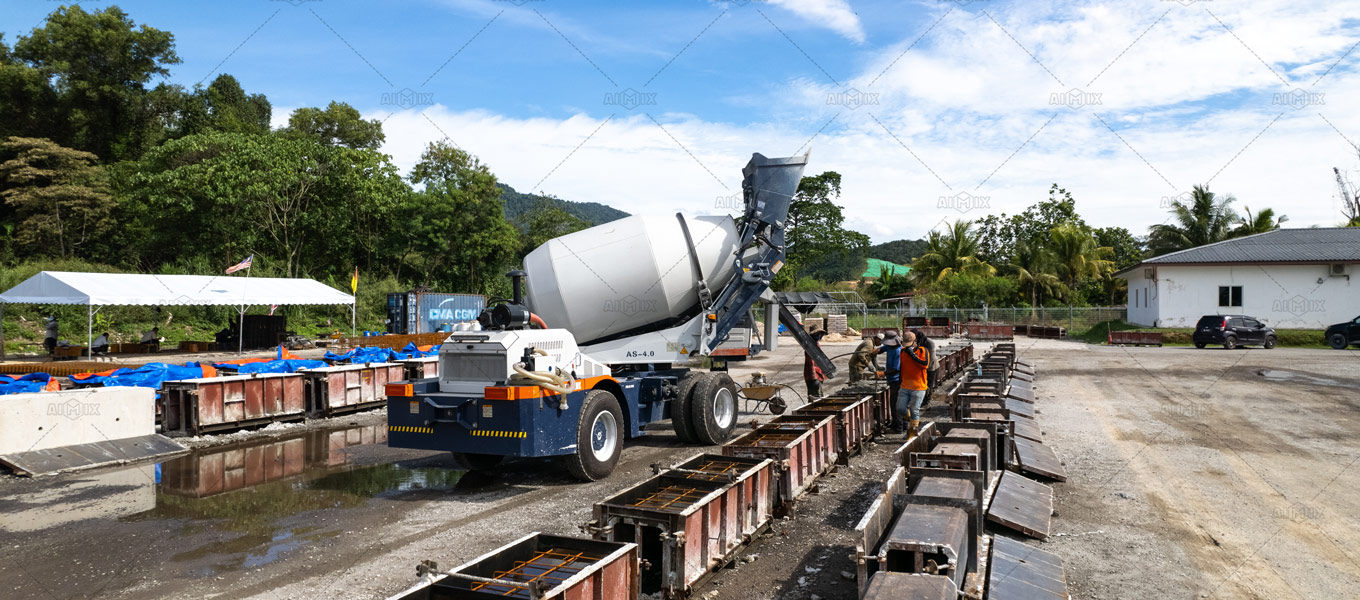
Method 3: Capitalizing on Authorized Local Dealer Networks
While direct international procurement may appear less expensive, the associated risks and hidden costs often negate any apparent savings. Engaging with established, authorized local dealers in Ghana offers multiple financial advantages.
Bundled Procurement and Consolidated Service Agreements
Authorized dealers frequently offer bundled pricing that includes the machine, a comprehensive spare parts kit, initial operator training, and a warranted service package. This consolidation spreads the margin requirement across multiple revenue streams, often resulting in a lower total cost than purchasing these elements separately from disparate sources. Negotiate the entire package as a single commercial proposal rather than negotiating each component in isolation.
Avoiding Contingency Expenditure Through Verified Supply Chains
Purchasing from an unauthorized parallel importer introduces contingency costs: the risk of incorrect machine specifications, absence of warranty fulfillment, and lack of technical documentation. Authorized dealers provide verified product provenance, ensuring the machine meets factory specifications and is supported by the manufacturer’s warranty. This certainty eliminates the need to budget substantial contingency reserves for potential remediation or parts sourcing issues, effectively reducing the risk-adjusted total cost of acquisition.
Method 4: Structured Financing and Working Capital Preservation
The method of payment significantly impacts the real cost of acquisition and your business’s financial health. Optimizing the payment structure preserves liquidity and can reduce net expenditure.
Evaluating Lease-to-Own and Hire-Purchase Instruments
Full cash payment, while eliminating interest costs, immobilizes substantial working capital that could be deployed on revenue-generating projects. Investigate lease-to-own or hire-purchase facilities offered through dealer partnerships with Ghanaian financial institutions. While these instruments carry interest costs, they allow you to match debt service payments with the income stream generated by the concrete mixer machine‘s productivity. The net present value (NPV) of this structured approach, considering the opportunity cost of preserved capital, may be superior to outright purchase.
Negotiating Progressive Payment Milestones
For financed or cash purchases, negotiate a payment schedule aligned with measurable milestones: an initial deposit upon order confirmation, a progress payment upon factory dispatch or photographic evidence of crating, and the final balance upon successful delivery and commissioning in Ghana. This structure reduces your counterparty risk and improves your working capital position throughout the procurement cycle.
Method 5: Total Cost of Ownership Modeling and Residual Value Planning
True economy is measured over the machine’s operational life, not merely at the point of purchase. A comprehensive Total Cost of Ownership (TCO) analysis reveals the most financially prudent option.
Projecting Maintenance, Consumables, and Downtime Costs
Request from your supplier detailed data on expected hourly operating costs, including fuel consumption rates and the projected service life of major wear components such as drum blades, hydraulic pumps, and tyres. A self mini concrete mixer machine with a marginally higher purchase price but superior fuel efficiency and extended service intervals will demonstrate a lower cost-per-operating-hour over five years. This TCO differential often exceeds the initial price variance.
Factoring Asset Residual Value
Self-loading mixers from reputable manufacturers with established local dealer support retain significantly higher resale value in the Ghanaian secondary market. Consider the machine’s projected residual value after five to seven years of service. A higher-quality asset with verifiable service history and brand recognition may command a resale price 15-20% higher than an equivalent lesser-known machine. This terminal value must be included in your holistic financial calculus. By applying these five proven methodologies—strategic timing, specification discipline, local dealer engagement, structured financing, and TCO analysis—you position your acquisition not as a reactive purchase but as a strategically optimized investment, securing both immediate savings and sustained long-term value.