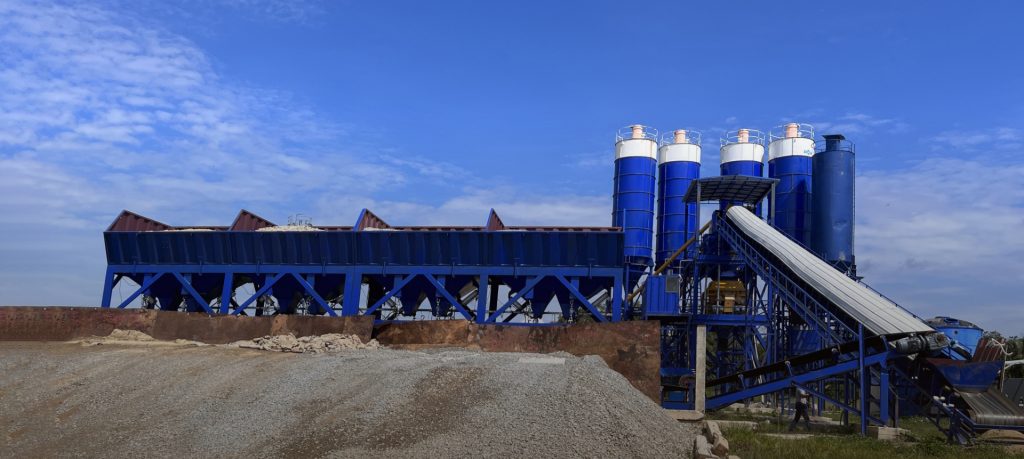
Concrete production projects in Latin America often operate under complex environmental and infrastructure conditions. Construction sites may face unstable electricity supply, high humidity, tropical rainfall, and limited access to maintenance resources. These factors can easily cause operational issues in a concrete mixing plant, especially when equipment runs continuously to meet tight project schedules. When problems occur unexpectedly, operators must respond quickly to avoid production delays and material waste.
This troubleshooting handbook provides practical emergency handling solutions for common problems encountered in concrete mixing plants(planta concretera) across Latin America. From unstable voltage to moisture caking in raw materials, the guide explains how operators can diagnose issues quickly and apply effective corrective actions. These strategies are useful for both large industrial plants and smaller units such as a mobile concrete plant or mini concrete plant, which are frequently used in remote construction areas.
In addition to improving operational stability, understanding troubleshooting procedures can help contractors reduce maintenance costs and protect equipment investments. Since the concrete plant price represents a significant capital investment for most construction companies, efficient maintenance and emergency response play an essential role in maximizing long-term productivity.
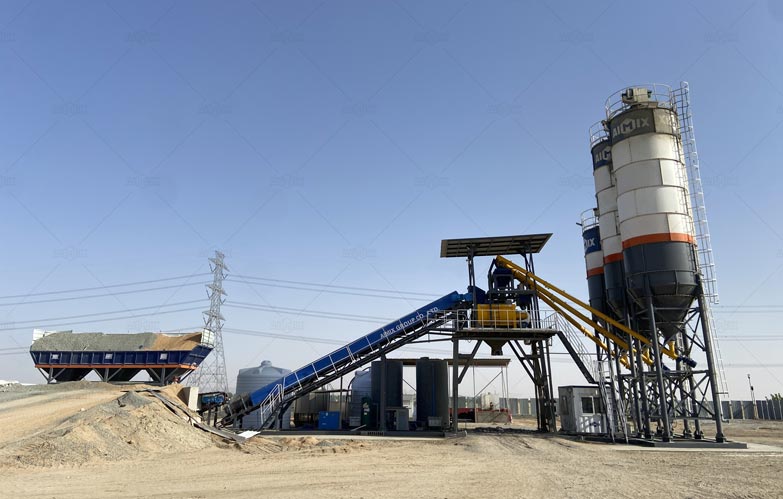
Common Operational Challenges in Latin America
Concrete plants operating in Latin America face several environmental and infrastructure-related challenges. These factors can directly affect mixing accuracy, production efficiency, and equipment lifespan. Understanding these conditions is the first step toward developing effective emergency handling strategies.
Unstable Voltage Supply
Many construction sites in rural or developing regions experience fluctuating power supply. Voltage instability can cause sudden shutdowns of motors, conveyor systems, or control panels in a concrete mixing plant. This may interrupt production and damage sensitive electrical components.
Voltage fluctuation problems are especially common in remote projects where mobile power generators are used to operate a mobile concrete plant(planta concretera movil). If the generator capacity is insufficient or poorly regulated, the plant’s electrical system may experience frequent overload or voltage drops.
High Humidity and Material Moisture
Tropical climates in many Latin American countries often bring heavy rainfall and high humidity levels. These conditions can cause aggregates such as sand and gravel to absorb excess moisture. When stored improperly, the materials may form lumps or experience moisture caking.
Moisture imbalance directly affects the water-cement ratio in concrete production, which can lead to inconsistent mix quality. For a mini concrete plant operating in a confined space, inadequate storage protection may increase the risk of moisture contamination in raw materials.
Dust Accumulation and Blockages
Dust buildup is another frequent issue in concrete production facilities. Fine cement particles may accumulate in screw conveyors, filters, or mixing chambers. Over time, dust buildup can cause blockages that interrupt material flow and reduce production efficiency.
Emergency Handling for Voltage Instability
Voltage instability requires immediate attention because electrical failures can damage motors, control systems, and sensors in a concrete mixing plant. Operators should follow systematic troubleshooting procedures to identify the root cause quickly.
Step 1: Check Power Supply Sources
When voltage fluctuations occur, operators should first inspect the primary power supply. If the plant relies on a generator, verify whether the generator capacity matches the plant’s energy demand. Insufficient power output may cause voltage drops during peak production periods.
In a mobile concrete plant, portable generators are often used, so it is important to ensure the generator provides stable voltage and adequate fuel supply. Regular generator maintenance also reduces the risk of sudden shutdowns.
Step 2: Inspect Electrical Components
If the power source appears stable, the next step is to inspect the plant’s internal electrical components. Loose wiring, damaged cables, or overheated control panels may trigger voltage irregularities. Operators should check electrical cabinets, circuit breakers, and motor connections to identify potential faults.
Step 3: Install Voltage Stabilizers
To prevent recurring voltage problems, many contractors install voltage stabilizers or automatic voltage regulators. These devices help maintain stable electrical output and protect sensitive equipment inside the concrete mixing plant from sudden fluctuations.
Emergency Solutions for Moisture Caking
Moisture caking in aggregates or cement is a common issue in humid regions. If not handled quickly, it can affect batching accuracy and reduce concrete quality.
Immediate Material Inspection
When moisture caking occurs, operators should first inspect storage silos and aggregate bins. Lumps or hardened materials should be removed before they enter the batching system. In severe cases, temporary manual cleaning may be required to restore normal material flow.
Adjust the Mixing Water Ratio
If aggregates contain excess moisture, the water content in the mixing process must be adjusted. Modern concrete plants often include moisture sensors that automatically measure aggregate humidity. For older systems or smaller equipment such as a mini concrete plant(mini planta de concreto), operators may need to manually adjust water dosage based on observed material conditions.
Improve Storage Protection
Long-term prevention requires better storage protection. Aggregate piles should be covered with waterproof materials, and drainage systems should be installed around storage areas. Proper storage management reduces the likelihood of moisture caking and improves batching accuracy.
Handling Dust Blockages in Material Systems
Dust accumulation can gradually restrict the movement of cement and fine materials inside a concrete mixing plant. If ignored, the blockage may cause production interruptions or mechanical damage.
Emergency Cleaning Procedures
When dust blockages occur, operators should temporarily stop the plant and inspect key transport components such as screw conveyors and dust collectors. Cleaning these areas helps restore normal material flow and prevents further accumulation.
Filter Maintenance
Dust filters must be cleaned regularly to maintain proper airflow. Clogged filters increase pressure within the system and may lead to further blockages. Regular filter inspection is especially important in high-production facilities.
Preventive Maintenance Strategies
While emergency troubleshooting is important, preventive maintenance is the best way to ensure long-term plant stability. By implementing regular inspections and maintenance routines, contractors can significantly reduce the frequency of operational problems.
Routine Equipment Inspection
Operators should regularly inspect key components such as mixers, conveyors, motors, and control systems. Early detection of wear or malfunction helps prevent larger failures that could interrupt production.
Environmental Protection Measures
Because many construction sites are exposed to harsh weather conditions, protective measures are essential. Installing protective covers, improving drainage systems, and maintaining proper storage areas can greatly enhance the reliability of a concrete mixing plant.
Training Plant Operators
Proper training ensures that operators understand how to respond to emergencies quickly and effectively. Skilled operators can diagnose issues faster, reducing downtime and preventing costly equipment damage.
Choosing the Right Plant Configuration
In addition to troubleshooting knowledge, selecting the right equipment configuration also influences plant stability and operational efficiency.
Mobile Plants for Remote Projects
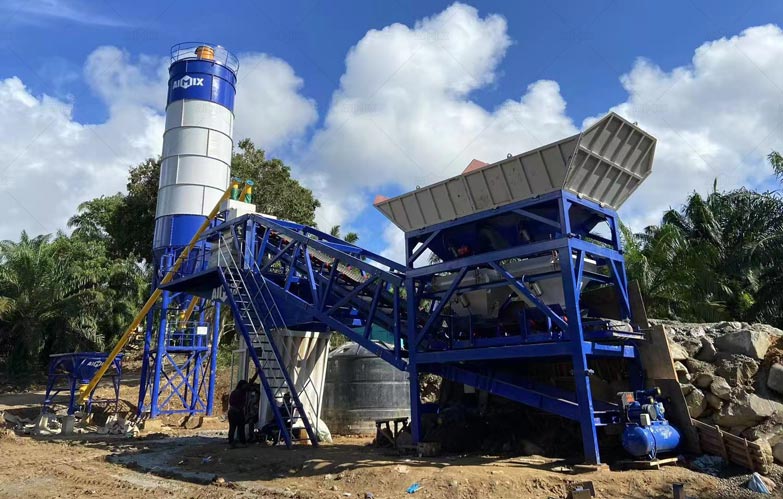
A mobile concrete plant is particularly suitable for remote infrastructure projects where transportation and installation flexibility are critical. These plants can be relocated quickly, allowing contractors to serve multiple construction sites efficiently.
Compact Plants for Small Projects
For small-scale construction work, a mini concrete plant offers an economical and practical solution. Its compact design reduces installation space while still providing reliable concrete production.
When evaluating equipment investment, contractors often compare the concrete plant price(planta de hormigón precio) across different configurations. Balancing cost with operational reliability ensures the plant delivers long-term value.
Conclusion
Concrete production in Latin America often involves challenging environmental conditions and infrastructure limitations. Problems such as unstable voltage, moisture caking, and dust blockages can disrupt operations in a concrete mixing plant if not handled properly. By understanding the causes of these issues and implementing effective emergency solutions, operators can maintain stable production and protect equipment performance.
Whether operating a large industrial facility, a mobile concrete plant, or a compact mini concrete plant, proper troubleshooting procedures and preventive maintenance strategies are essential for long-term success. Considering the significant concrete plant price investment involved, effective plant management ensures that contractors achieve reliable concrete production and maximize equipment lifespan.