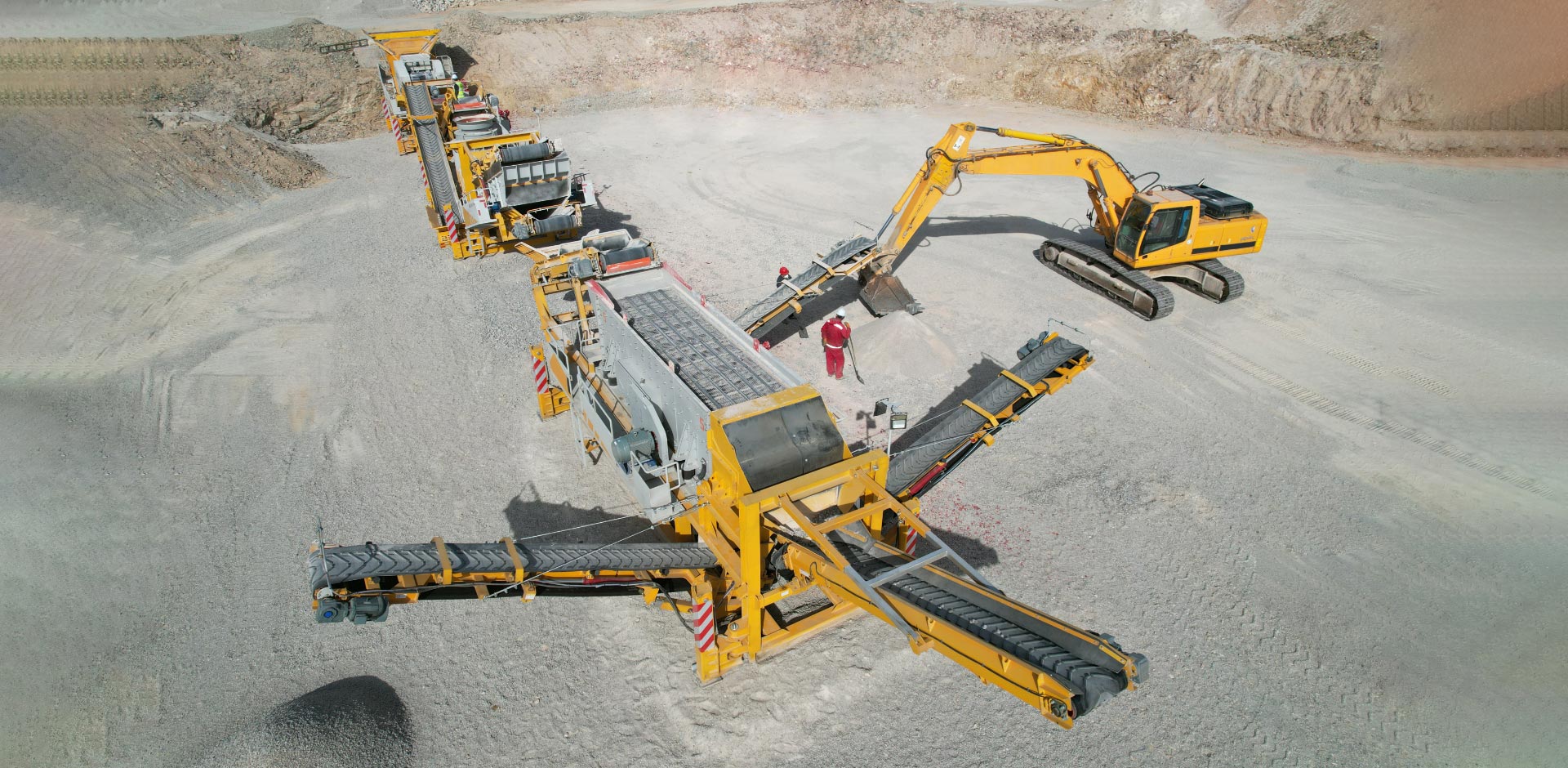
The seemingly simple act of selecting crushed gravel belies a complex decision matrix with profound implications for project success. Whether constructing a permeable driveway, establishing a robust foundation for a commercial structure, or designing an aesthetically pleasing garden pathway, the granularity of your aggregate dictates performance. It is a common fallacy to view gravel as a monolithic material; in reality, it is a spectrum of particle sizes, each engineered for a specific load-bearing capacity and functional purpose. This guide elucidates the principles of aggregate gradation, drawing direct correlation between the settings of gravel crusher machinery and the resultant material characteristics. Understanding this nexus empowers specifiers and contractors to make judicious choices, ensuring structural integrity, optimal drainage, and long-term durability while avoiding the costly pitfalls of material misapplication. The journey from crusher jaw to project completion begins with a fundamental question: what size is required, and why?
Deciphering Aggregate Gradation: The Language of Particle Size
Before delving into project-specific recommendations, one must first comprehend the standardized lexicon of aggregate sizes. Crushed stone is categorized by sieve analyses, which separate particles based on their ability to pass through square openings of diminishing dimensions. This classification system, from fine dust to coarse boulders, determines the material’s engineering properties. The crusher itself is the architect of this distribution; by adjusting the closed-side setting on a cone crusher or the rotor speed on an impactor, the operator dictates the predominant output size. A precise gradation curve ensures that the aggregate contains the necessary proportion of fines for compaction or the void space for drainage. Ignoring this science leads to a fundamental mismatch between material capability and project demands, often resulting in premature failure, subsidence, or hydraulic inefficiency.
Fines and Screenings: The Minuscule Foundation
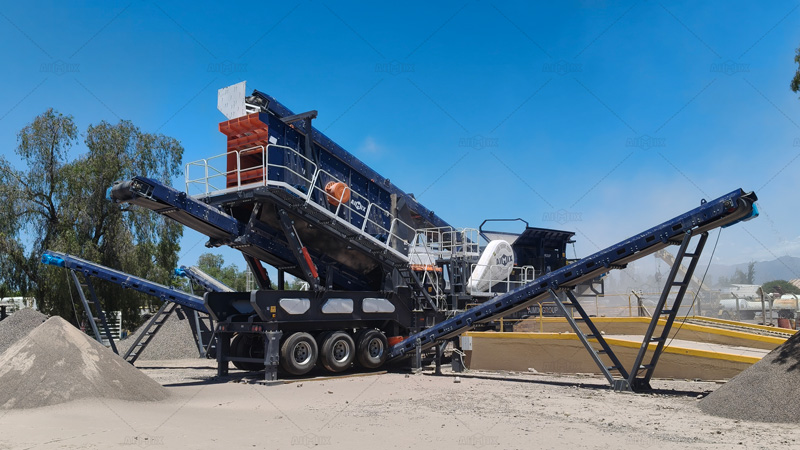
At the microscopic end of the spectrum lie manufactured sands and stone screenings, typically passing through a 3/8-inch sieve and retaining particles down to a dusty fineness. These minuscule fragments are the antithesis of decorative stone; they are the workhorses of structural stability. When compacted, the angularity of these small particles creates a high degree of interlock and friction, forming a semi-impervious layer. This makes them the ideal choice for the base course beneath pavers or as a setting bed for flagstone. However, their lack of void space renders them entirely unsuitable for applications requiring water percolation. The stone crusher machine must be configured to generate a high percentage of these fines without creating an excess of flat or elongated particles, which compromise the density of the compacted layer.
Dust and Compaction: The Role of Fines in Stability
The microscopic particles, often referred to as crusher dust, play a paradoxical role in aggregate performance. While excessive dust can inhibit binding with cement in concrete applications, a controlled amount is essential for the compaction of unbound bases. When wetted and vibrated, these fines act as a lubricant, allowing larger particles to shift into their densest configuration. As the material dries, the fines effectively glue the matrix together, creating a rigid, load-spreading platform. This phenomenon is critical for road base, where the goal is to create a monolithic layer that resists movement under traffic. Selecting a crushed gravel with an optimal fines content—typically found in products like “Dense Graded Aggregate”—is therefore paramount for any project demanding a stable, permanent foundation.
Medium Gradations: The Versatile Workhorses
Ascending the size chart, aggregates ranging from 3/8-inch to 3/4-inch represent the most versatile category of crushed stone. These fractions strike a delicate balance between structural integrity and aesthetic appeal. The angular facets of mechanically crushed stone in this range provide superior interlock compared to river-rounded pebbles, making them resistant to “raveling” or being displaced under foot or tire traffic. This gradation is the preferred choice for chip-seal applications, where the stone is embedded into a tack coat of asphalt. Furthermore, its particle size is sufficiently large to resist wind dispersion yet small enough to create a relatively firm, walkable surface for pathways and driveways when properly bound. The aggregate crusher machine‘s role here is to ensure a consistent, cubical shape, as flat stones in this range are prone to breaking under load.
Matching Size to Function: From Drainage to Driveways
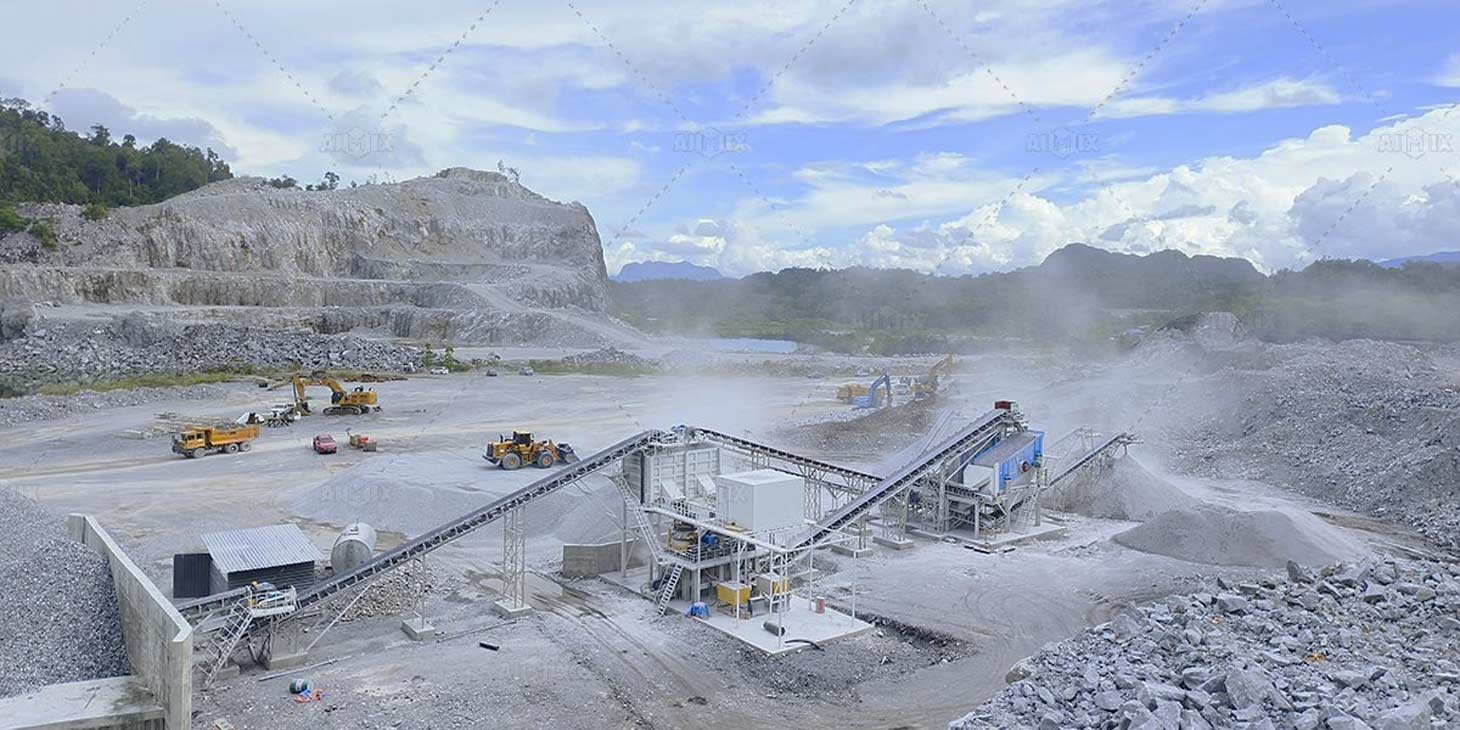
The selection process culminates in the pragmatic alignment of aggregate size with the specific physical demands of the project. A French drain requires a vastly different material profile than a truck parking apron. For subsurface drainage systems, the imperative is void space. Clean, uniformly sized stone, typically 1 to 2 inches, creates a network of voids that allows water to migrate rapidly to the collection pipe. This “open-graded” material contains few fines, ensuring it will never clog or impede water flow. Conversely, a residential driveway demands a “well-graded” material, containing a spectrum of sizes from fines up to 1 inch. This mixture, when compacted, forms a dense, almost concrete-like surface capable of withstanding the shear stresses of vehicular turning and braking without rutting or displacing.
Large Format Aggregate: Riprap and Structural Backfill
At the upper echelon of size, we encounter aggregate exceeding 2 inches, often classified as riprap or gabion stone. These large, heavy fragments are not moved by water flow or light machinery; their utility lies in their sheer mass. Riprap is employed for erosion control along banks and shorelines, where its bulk dissipates the hydraulic energy of waves and currents. In structural applications, this large stone serves as the initial fill layer over poor soils, bridging soft spots and distributing the immense loads from the structure above down to more competent strata. The crushing and screening process for this material is less about precision and more about fracture; the key requirement is that the stone be angular to ensure the individual pieces lock together, creating a stable, interlocked matrix that resists being pulled apart by hydraulic or gravitational forces.
The intrinsic link between rock crusher configuration and ultimate aggregate performance cannot be overstated. Selecting the correct particle size is an exercise in applied physics, marrying the machine’s output to the project’s environmental and structural demands. By understanding the gradation spectrum—from compaction-inducing fines to drainage-facilitating coarse aggregate—contractors and homeowners alike can ensure their investment in stone yields a permanent, high-functioning result. It is a decision that transcends mere specification; it is the foundational choice upon which the longevity of the entire project rests.